


Blu-ray Packaging Types, Disc Dimensions and Weight

The disc is the constant; the package is what changes. Most blu-ray packaging types house a standard Blu-ray Disc measuring 120 mm in diameter and 1.20 mm thick, with the disc weighing approximately 20 g. Cases, steelbooks, mediabooks and slipcovers add their own dimensions and weight around it.
That distinction matters when you’re choosing an edition for a shelf, a display or a tight storage space. The disc’s measurements don’t tell you the package’s full footprint, and the packaging style alone doesn’t reveal its total weight.
This guide explains the disc’s standard dimensions and weight, then shows how common packaging formats affect the complete release. You’ll also learn how limited editions and collector’s releases fit in, so you can assess a product format before choosing your next addition.
Table of Contents
Blu-ray packaging
Blu-ray packaging surrounds and protects a disc while presenting an edition. A standard Blu-ray Disc measures 120 mm across, is 1.20 mm thick, and weighs approximately 20 g.
Common blu-ray packaging types include plastic cases, steelbooks, mediabooks and slipcovers. The disc remains the same size, while the outer format changes the release’s appearance and shelf footprint. Knowing the difference helps you distinguish packaging from the disc format itself.
Packaging Durability and Storage
A packaging format is the outer container that holds and presents a Blu-ray Disc. Plastic cases have a hinged shell, while steelbooks have a metal exterior, giving each a different feel and finish. A slipcover is a printed sleeve that fits over a case, adding an outer layer.
For storage, consider the complete package rather than the disc’s 120 mm diameter. A slipcover adds an exterior layer, and a mediabook’s bound format can take a different shelf footprint from a standard case. Store editions upright without crowding them to help prevent scuffs and bent corners during routine handling.
Mediabooks and Edition Use
A Blu-ray mediabook is a book-style package that combines a disc holder with bound printed pages. It gives artwork and written material a place alongside the film, rather than presenting the release as a case alone.
Mediabooks often appear in collector-focused editions, with packaging forming part of the presentation. Depending on the release, they may hold one or more discs and include printed editorial content. Check the listing for the stated disc format and included material. “Mediabook” describes the package style, not the resolution or disc count.
Identifying Packaging in Online Listings
An online listing identifies packaging through its format label, written contents, and product photographs. Look for terms such as “steelbook,” “mediabook,” “slipcover,” or “standard case” in the title and description. Those words help narrow down which blu-ray packaging types the release uses.
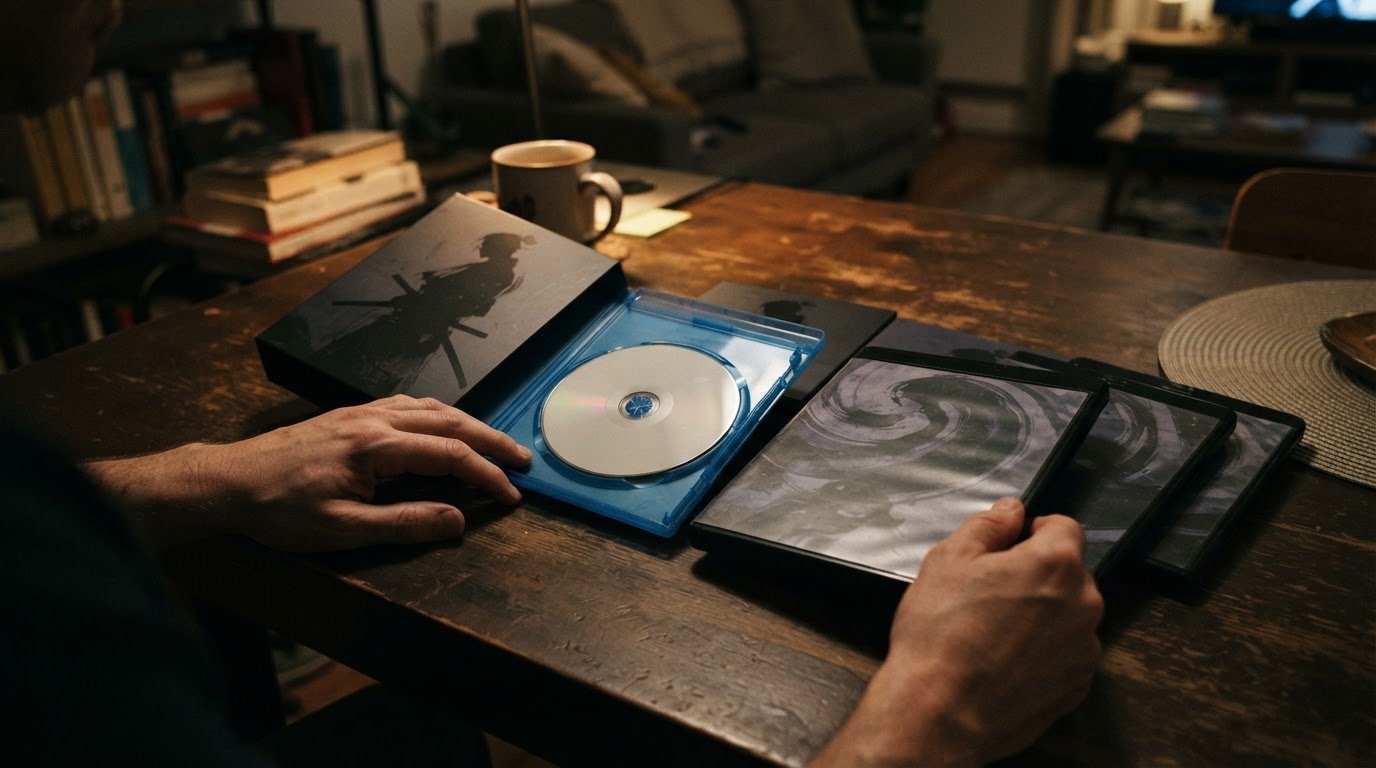
Compare the description with the images: a slipcover appears as a sleeve around a case, while a mediabook has a book-style cover. Check separately for Blu-ray or 4K UHD disc details, because packaging names don’t establish disc format. Use any stated outer dimensions to judge shelf fit; disc measurements alone don’t show the release’s total size.
What is a Blu-ray mediabook and what editions use it?
A Blu-ray mediabook is a book-style package that holds a film disc alongside printed pages. It combines a disc release with a bound presentation, rather than using only a conventional plastic case. The pages can feature artwork, production context or related editorial material. Contents vary by edition, so the format name doesn’t guarantee a particular booklet specification.
A collector’s edition is a release presented with packaging or contents aimed at collectors. A mediabook can bring the disc and printed material together in one package. But “collector’s edition” doesn’t mean the release is a mediabook: it could use another format, such as a steelbook or box. A mediabook is identified by its book-style construction.
For example, a listing may describe a film as a Blu-ray mediabook, while another edition of the same film uses a standard case. The title may be identical, but the packaging and included printed material make the editions distinct. Disc format remains a separate detail: a mediabook label doesn’t establish whether the package contains Blu-ray, 4K UHD, or both. Read those specifications separately.
Use the listing’s format label to identify the package, then review the product images and contents description. Look for a book-style cover and details about the disc formats or printed material included. Don’t assume the number of discs or pages from “mediabook” alone. These distinctions help you compare Blu-ray packaging types without confusing presentation with playback format. A mediabook suits a shelf where the physical edition matters as much as the film, while a simpler case offers a familiar, compact format.
How do Blu-ray packaging types compare for durability and storage?
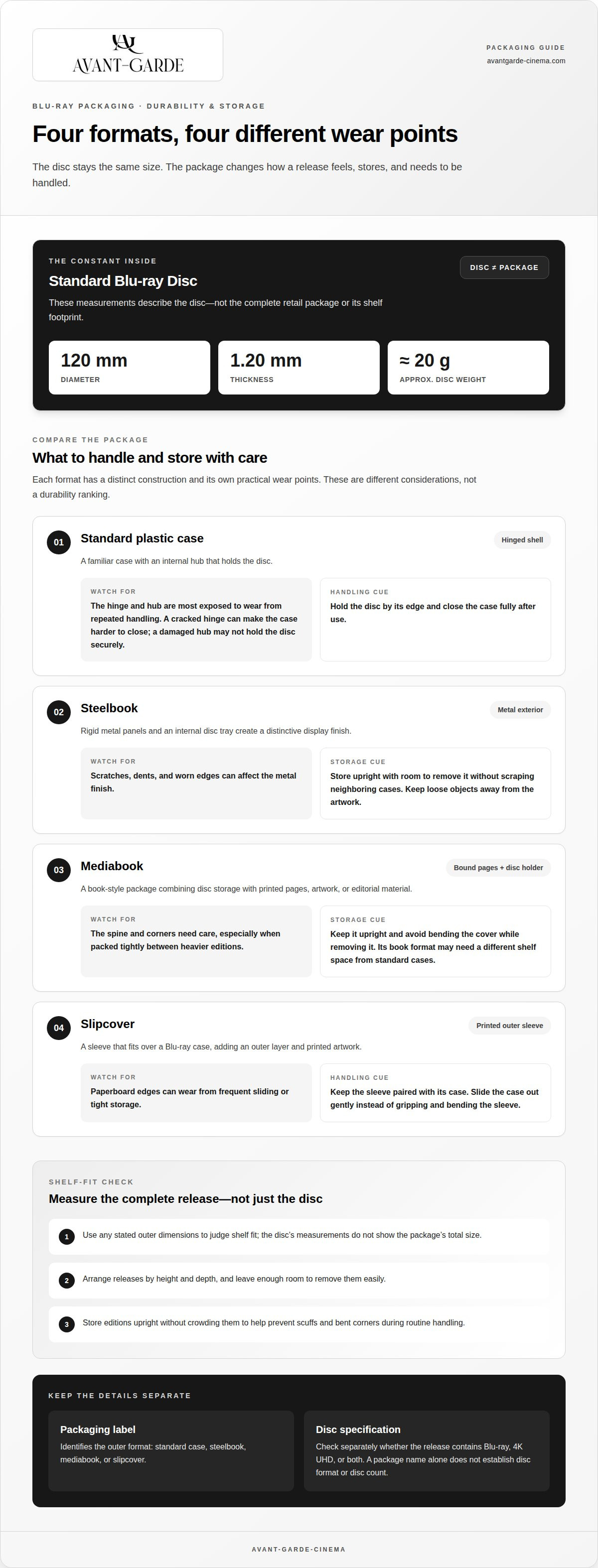
A standard Blu-ray case is a hinged plastic shell with an internal hub that holds the disc. Its familiar shape stacks neatly, but the hinge and hub are most exposed to wear from repeated handling. A cracked hinge can make the case harder to close, while a damaged hub may not hold the disc securely. When handling a frequently played release, hold the disc by its edge and close the case fully.
A steelbook has a metal exterior and an internal disc tray. Its rigid panels create a distinctive display, but scratches, dents and worn edges can affect the finish. Store steelbooks upright with enough room to remove them without scraping neighbouring cases. Keep loose objects away from the metal artwork, especially when rearranging your shelves.
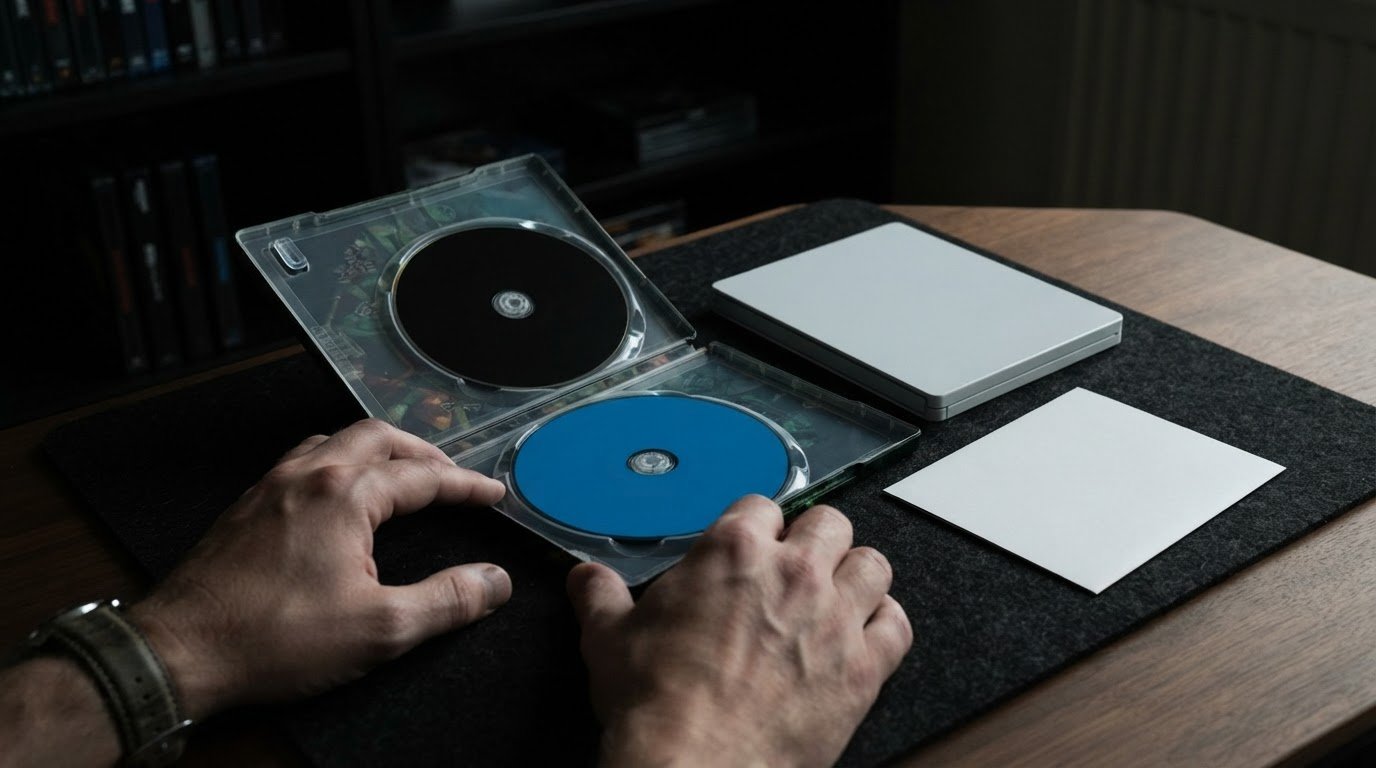
A mediabook is a book-style package combining disc storage with bound printed pages. Its spine and corners need different care from a plastic case, particularly when packed tightly between heavier editions. Keep the book upright and avoid bending its cover while removing it. The printed pages add presentation value, but the book format may need a different shelf space from standard cases.
A slipcover is a printed sleeve that slides over a Blu-ray case. It adds an outer layer, but its paperboard edges can wear from frequent sliding or tight storage. Quality paperboard and precision folding—such as the packaging solutions provided by printitza.co.za—give these sleeves greater durability, but proper care remains essential. Keep the sleeve paired with its case and slide the case out gently instead of gripping and bending the sleeve. This helps preserve the artwork and fit.
When planning shelf space, compare the complete release, not just the disc. Steelbooks and standard cases have different outer surfaces, while mediabooks and slipcovers add distinct layers or structures. Arrange releases by height and depth, leaving enough room to remove them easily. These practical differences make blu-ray packaging types relevant to display and everyday handling, especially in a mixed-format collection.
Are Blu-ray packaging sizes or labels standardized in Germany or Europe?
A Blu-ray Disc’s physical dimensions describe the disc, not its retail package. The standard disc measures 120 mm in diameter and 1.20 mm thick; its case, sleeve, or book-style housing adds separate dimensions. Don’t use the disc measurement alone to estimate shelf space for a complete release.
Packaging labels identify formats, but they don’t provide exact measurements. Terms such as “steelbook,” “mediabook” and “slipcover” describe recognizable package styles, not a release’s precise height, width, thickness or weight. A steelbook has a metal exterior; a slipcover is an outer sleeve. The edition’s actual construction and contents still matter.
For Germany and other European markets, read each product listing as a description of that specific edition. A title may identify the disc format, such as Blu-ray or 4K UHD, while separate wording describes the packaging. Keep those details distinct: “4K UHD” refers to the video format, while “mediabook” describes the package style. Neither label alone gives the full package footprint.
To judge shelf fit, use this sequence:
Identify the package format named in the listing.
Look for stated outer dimensions, if provided.
Compare those measurements with your shelf’s usable space.
Use product images to understand visible layers, such as a slipcover over a case.
Labels help you distinguish formats, but measurements answer the storage question. Editions of the same film can use different packaging, so compare the details attached to the exact release. This is especially useful when adding a steelbook beside standard cases or fitting a mediabook into a tightly arranged collection. For a curated range of collector editions, explore Blu-ray editions.
Avant-Garde-Cinema
Avant-Garde-Cinema offers curated boutique physical releases in distinct edition formats. Once you’ve compared packaging styles, use the edition description to choose between a limited edition, collector’s edition, slipcover edition or steelbook. The label identifies the presentation, and the listing gives details for that title.
The range includes 4K UHD + Blu-ray Limited Editions, 4K UHD + Blu-ray Limited Collector’s Editions, 4K UHD + Blu-ray Limited Slipcover Editions, and 4K UHD + Blu-ray Steelbooks. These options suit collectors who value physical presentation alongside the film, whether they’re building a curated shelf or choosing a particular format for a release.
For help exploring these physical-media editions, contact Avant-Garde-Cinema.
Choose the Edition That Belongs on Your Shelf
Your next addition can reflect more than the film you want to own. Think about how you enjoy your collection: a striking display, a consistent shelf profile, or an edition that feels distinctive in hand. Let that preference guide your choice among blu-ray packaging types, then consider how the release will sit alongside the titles you already value. A carefully chosen format can make a favorite film feel at home in your collection, rather than simply filling another space.
For your next pick, focus on the details that matter most, from presentation to physical format. Avant-Garde-Cinema offers collector-focused releases, including limited editions and slipcover editions, for enthusiasts building a personal library. Browse the available editions and choose one that fits your collection.
Contact Avant-Garde-Cinema to discuss your next collector edition. Your shelf, your selection, your next great discovery.
Frequently Asked Questions
What are the main types of Blu-ray packaging?
Common formats include standard plastic cases, steelbooks, mediabooks, digipaks, digibooks, slipcovers and slipboxes. Each name describes the package’s construction or an added outer layer, not the disc’s playback format. For example, one release might pair a Blu-ray disc with a steelbook, while another uses a plastic case with a slipcover. Read the edition description to distinguish packaging from disc contents.
What is a standard Blu-ray Amaray case?
An Amaray case is a familiar hinged plastic package designed to hold a Blu-ray disc. A central hub secures the disc, while printed artwork can sit beneath a clear outer panel. Collectors often use “Amaray” informally for this case style. When reading a listing, distinguish a conventional plastic case from formats such as a steelbook or book-style package.
What are Blu-ray digipak and digibook packages?
A digipak has a folding, card-based outer cover with a plastic disc tray attached inside. A digibook combines disc storage with a bound, booklet-style presentation. Both bring artwork and disc housing together, but their construction differs: a digipak folds, while a digibook opens like a book. Product photos can help identify the format when a listing doesn’t describe the package.
What is a Blu-ray steelbook and how does it differ from a standard case?
A steelbook has a metal outer shell and an internal disc-holding tray. A standard case uses a plastic shell, so the formats differ in material, finish and display character. Artwork placement and visible wear can also matter to collectors: metal surfaces may show scratches or dents, while plastic cases can develop cracks or damaged hinges.
What are Blu-ray slipcovers, sleeves, and slipboxes?
A slipcover is an outer sleeve that slides over an individual Blu-ray case. The word “sleeve” can also refer to a simpler protective or printed cover, so the listing’s wording and images help clarify its role. A slipbox is a box-style outer container that holds a release or set. These terms describe added packaging, not the disc format; check the product presentation to see what surrounds the case.
How many discs do Blu-ray cases hold, and what are common case sizes?
Blu-ray cases can hold one disc or multiple discs; the internal hubs or trays show how many they accommodate. There’s no single outer size for every packaging style. A standard case, steelbook, slipcovered edition and box set can each take up different shelf space. For a specific release, use its stated package dimensions rather than estimating from the disc size.
Comments